

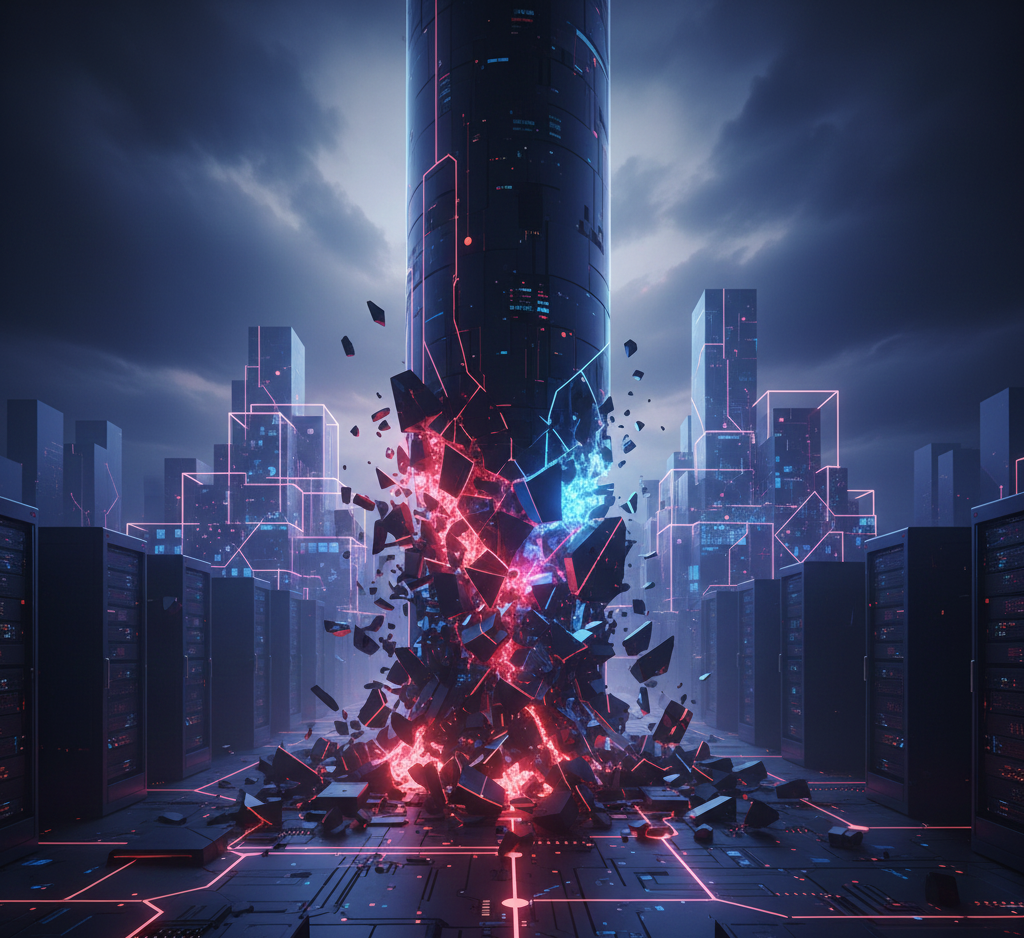
Every major tech downturn leaves behind a familiar narrative: inflated valuations, excessive optimism, and a painful correction. From the dot-com bubble to more recent market pullbacks, the pattern has always seemed predictable. But the next tech crash, whenever it comes, is unlikely to follow the same script.
The technology industry has changed — structurally, economically, and culturally — and so have the risks.
The End of the Pure Speculation Era
Earlier tech crashes were fueled by speculation detached from real value. Companies promised future dominance without viable business models, and investors rewarded vision over execution.
In 2025, that environment is largely gone.
Most major tech companies generate real revenue, operate globally, and provide infrastructure that businesses actively depend on. Even high-growth startups are under pressure to show sustainable paths to profitability. This does not eliminate risk, but it changes its nature.
The next crash is less likely to be about imaginary value — and more about real systems under stress.
Big Tech Is Now Systemic
Technology companies are no longer just participants in the economy. They are part of its foundation.
Cloud platforms, payment systems, communication tools, and enterprise software are deeply embedded in daily operations across industries. A slowdown in tech now affects logistics, healthcare, finance, education, and government services.
This interconnectedness means a future downturn would not isolate tech — it would ripple outward, making its impact broader but potentially less sudden.
AI Concentration Brings New Vulnerabilities
Artificial intelligence has become a central pillar of modern technology. But unlike previous innovation waves, AI development is highly concentrated.
A small number of companies control:
- large language models
- specialized hardware
- massive datasets
- global compute infrastructure
This concentration creates efficiency, but it also introduces systemic risk. Disruptions in AI supply chains, energy availability, or regulation could trigger cascading effects across the tech sector.
The next crash may not begin with market panic — it may start with infrastructure bottlenecks.
Capital Is More Cautious — and More Patient
Another key difference lies in investment behavior.
After years of volatility, investors have become more disciplined. Funding is slower, expectations are clearer, and growth is evaluated over longer time horizons. While this reduces extreme bubbles, it also means corrections may stretch over years instead of collapsing overnight.
The next downturn could feel less dramatic — but more exhausting.
Regulation Will Shape the Fallout
Regulatory pressure is no longer theoretical. Data protection laws, antitrust actions, and AI governance frameworks are actively shaping how companies operate.
In a future tech slowdown, regulation could amplify or soften the impact depending on how quickly governments respond. Unlike past crashes, policy decisions will play a central role in determining who survives and who exits the market.
A Different Kind of Reset
If and when the next tech crash arrives, it will likely be quieter, slower, and more structural.
Instead of mass bankruptcies, we may see:
- consolidation rather than collapse
- reduced innovation speed instead of total stagnation
- fewer startups, but stronger survivors
The reset will not erase technology’s role in society — it will redefine it.
Final Thoughts
The lesson of previous tech crashes was excess.
The lesson of the next one will be dependency.
Technology is no longer optional. That reality changes how downturns unfold — and how the industry recovers. Understanding this difference is key to navigating the future of tech with clarity rather than fear.